Sauvignon IL
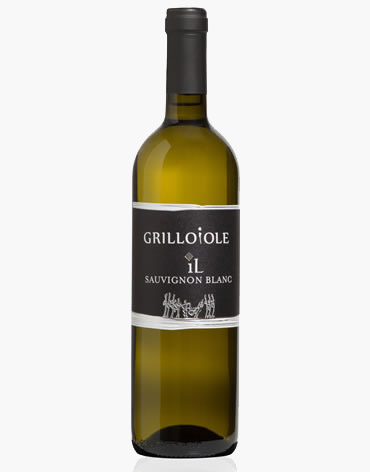 GRAPES: Sauvignon
YEAR OF PLANTING: 1992
VINEYARD: grassy – not irrigated
VINIFICATION: : It is a selection of the later harvest. The meticulous selection of the grapes follows de-stemming, soft pressing and cold stabilization at a temperature of 4/5 ° C for a duration of 5 days..
TASTING NOTES :
Pale straw yellow tending to golden. Due to the later harvest, the more green classic notes of Sauvignon are here attenuated by the notes of exotic fruit, accompanied by a rather rich floral range. Fermentation and aging in cask give the wine complex, spicy, vanilla and toasted wood aromas that are never excessive.
PAIRING :
Ideal for all occasions, excellent with hot and cold fish appetizers even steamed, but also with cold cuts and salami. It is the only wine recognized for pairing with sushi and sashimi. It goes well with any first and second courses based on fish and shellfish even in wet, white meats like veal, chicken and rabbit. Try it with pasta with pesto, with vegetables and then creams, soups, velvety, and in general with all aromatic preparations, containing tomatoes, peppers. The most famous combination is certainly with asparagus declined in every form. In the Friuli cuisine it is ideal pairing with risotto with asparagus, gnocchi with ricotta and mint, eggs and asparagus, "sclopit" soup and omelettes with wild herbs
HISTORY :
A vine of French origin, it participates in the mother country in the production of renowned and famous wines all over the world, such as Sancerre and Pouilly Fumé. It is an international grape variety, widespread in Australia, Austria, New Zealand and many other countries. In Friuli it has been popularized for hundreds of years. I consider it my adoptive autochthonous ...
TO BETTER UNDERSTAND MY SAUVIGNON :
Sauvignon Blanc is one of the most singular white grape varieties in the world, rich in suggestive aromas of intense olfactory and gustatory impact. Cultivated in cool areas such as Friuli, harvested slightly before full ripening and vinified in steel, it expresses at best its characteristic aromas which are those of clear plant and herbaceous nature, in particular of green pepper, tomato leaf, sage, mown grass, nettle, in addition to the mythical box (I refuse to call it cat pee). To these aromas are added those of elder and citrus. In doing so, a wine with a very strong olfactory impact is obtained, but it is often short, not very persistent in the mouth. If instead it is harvested when it is fully ripe, its typical vegetal and herbaceous aromas are attenuated, exalting instead those of fruit, in particular peach, but also tropical fruit, as well as floral aromas such as elderberry, broom, acacia and hawthorn.
In this way I get three vinification tanks with organoleptic and analytical hints very different from each other. In the first harvest we capture the characteristic plant scents and the acidity that sustains it. In the last two harvests we move on more fruity and floral aromas and we increase the structure that will serve to fully support even the first harvest.
A few months before the harvest, we mix the three tanks and bottle. We thus obtain the classic Sauvignon clear label.
. In this wine we want to capture the most elegant and less explosive notes of Sauvignon aged in steel.